

Still Life: Ocean
Words, images and questions for paying attention.

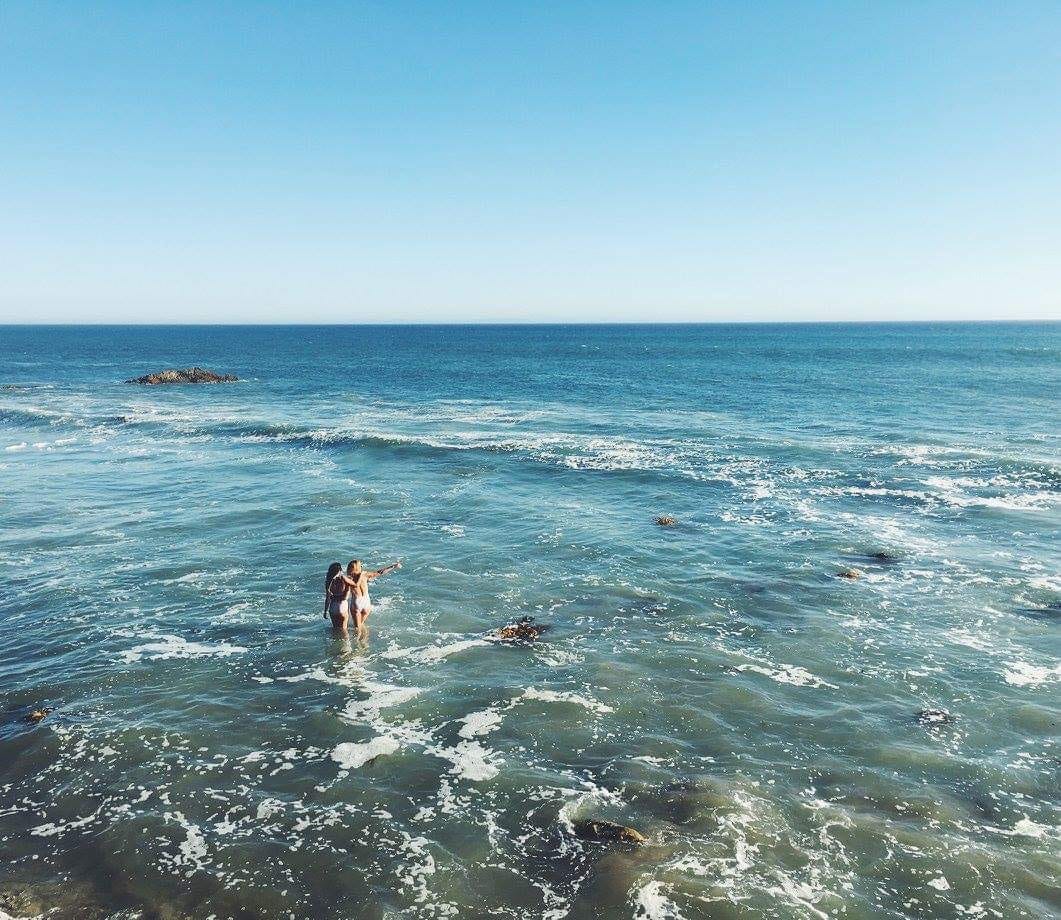
When I stand in front of the ocean, something happens to my body before my mind catches up. My shoulders drop. My breathing changes. There’s a feeling like a magnet pulling me down through my feet into the sand, into the earth, into whatever is underneath all of this. It’s the closest thing I know to an immediate and complete calm.
I don’t know how else to describe it except that the ocean makes the world make sense. Not in a way I can explain or intellectualize, but in a way I can feel. Something about its rhythm, its indifference, its age. When I look at the ocean, I feel connected to something ancient, to the natural pulse of this planet, to a timeline that has nothing to do with mine. And it’s one of the most grounding things I’ve ever experienced.
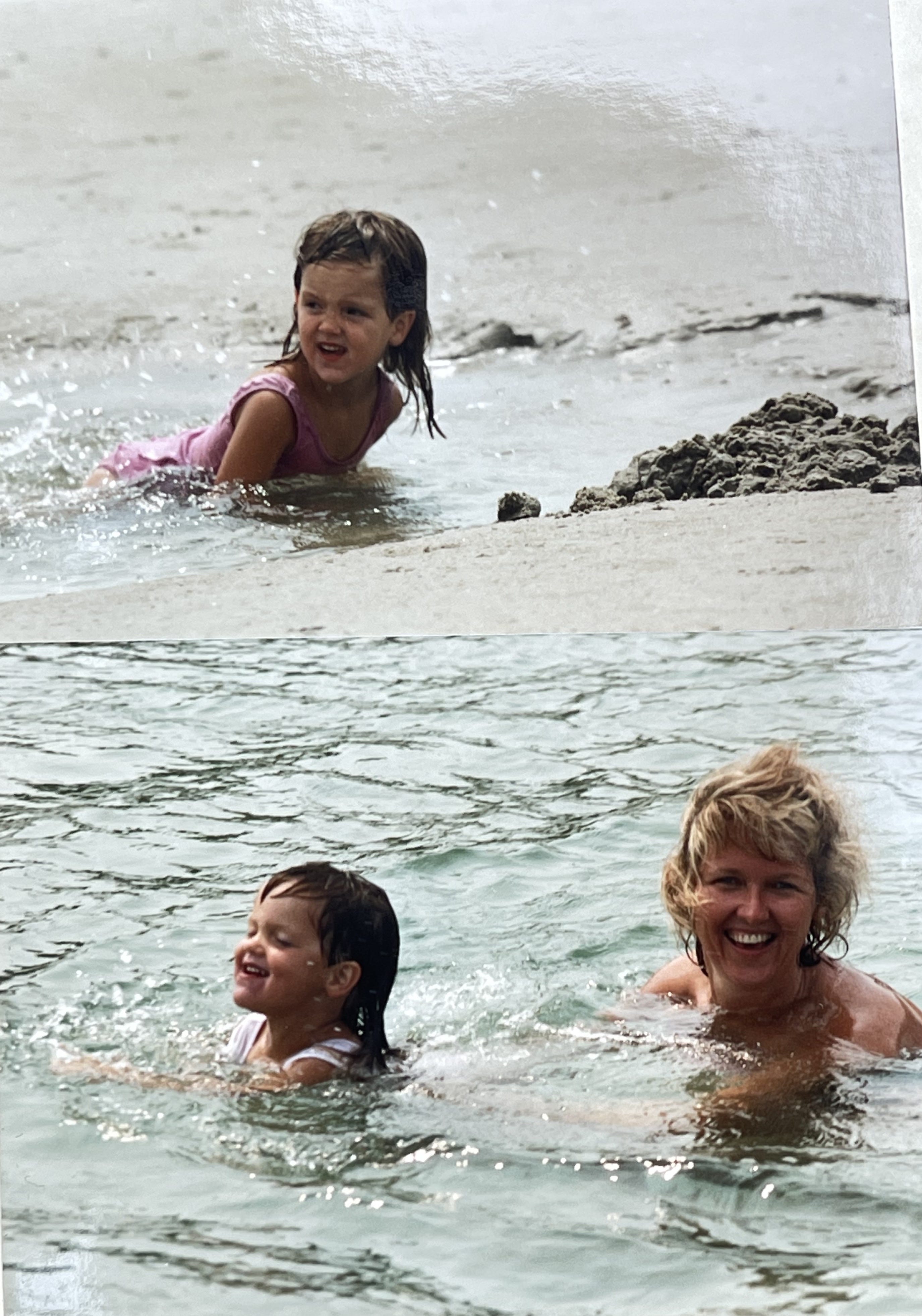
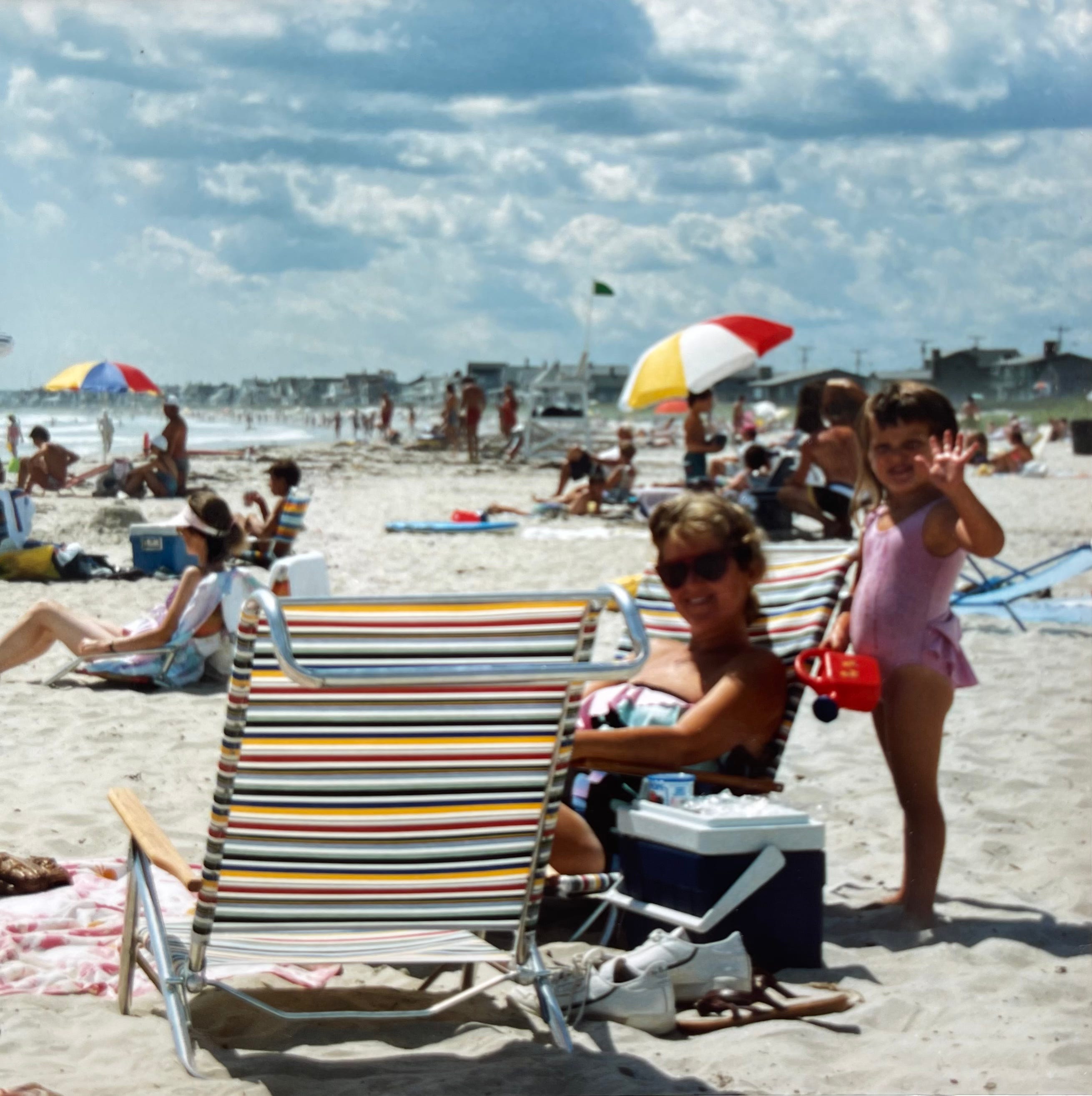
I grew up with the ocean on both sides of my family. My dad’s parents had the house in Chatham, on Cape Cod, and my mom was raised on Long Island. Every summer, every holiday, we were at the water. Cape Cod was quieter, the bay side, the salt marshes, my Gramma’s house with the nautical wallpaper and the outdoor shower. Long Island was wilder. Fire Island. Jones Beach. The Atlantic in full force.
My aunt Alison, who is my namesake, and my uncle Gilles were a huge part of those Long Island summers. They didn’t have their daughters until my aunt was in her early forties, so when I was young, my brother and I got all of their attention. We were spoiled by them. They would take us to the beach, and we’d spend entire days in the waves, boogie boarding, body surfing, getting absolutely pummeled by the big swells. I can still feel the salt water in my hair. The sand embedded in my scalp. The soreness in my arms after hours of paddling.
I think that’s when the ocean first got into me. Not as a place to visit but as a place that felt like an integral part of me. Something I needed.
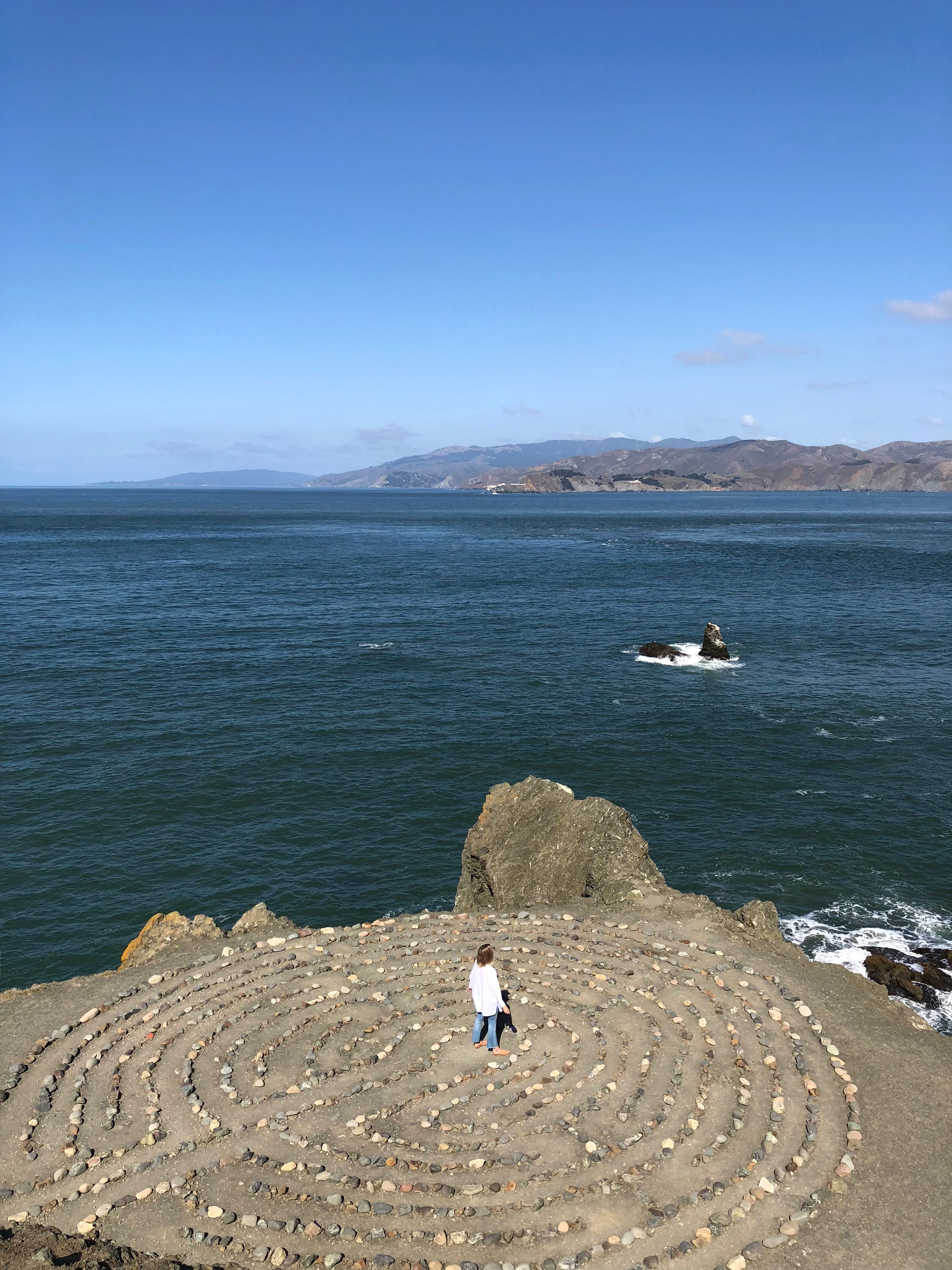
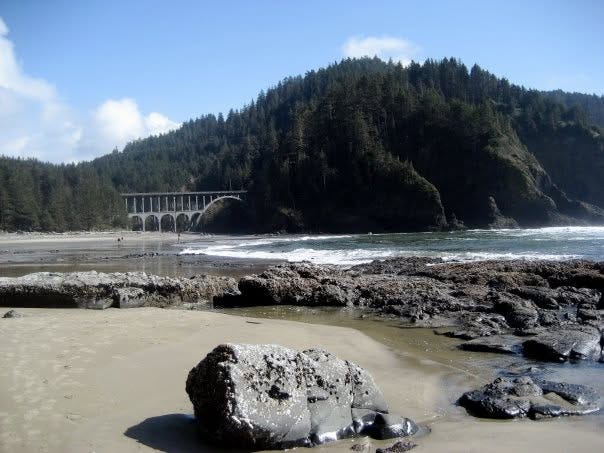
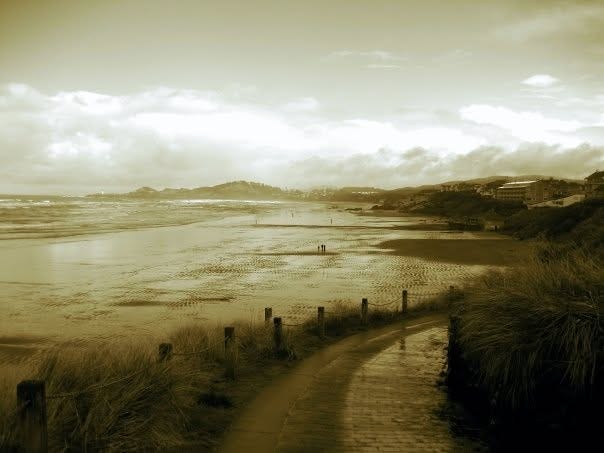
When I was 25, I lived in Yachats. A tiny town on the coast of Oregon, maybe 600 people, average age somewhere around 65. I didn’t have many friends there. I had very little money. My house was on Highway 101, and I would walk across the street to the ocean everyday.
There was an oil spill in the Gulf of Mexico that year, and the grief of imaging millions of tons of crude oil dumping into the ocean broke me. I would sit on the rocks and meditate and say prayers for the healing of the ocean and the healing of the planet. I know how that sounds. I was in a deeply spiritual place in my life at that time. I had been practicing yoga for ten years and was feeling called to go deeper, not to teach, just to understand more. For me. The ocean in Yachats wasn't gentle. It was cold and dark and powerful, and it didn’t care whether I was watching. That was part of what I loved about it. It didn’t need me. I needed it.
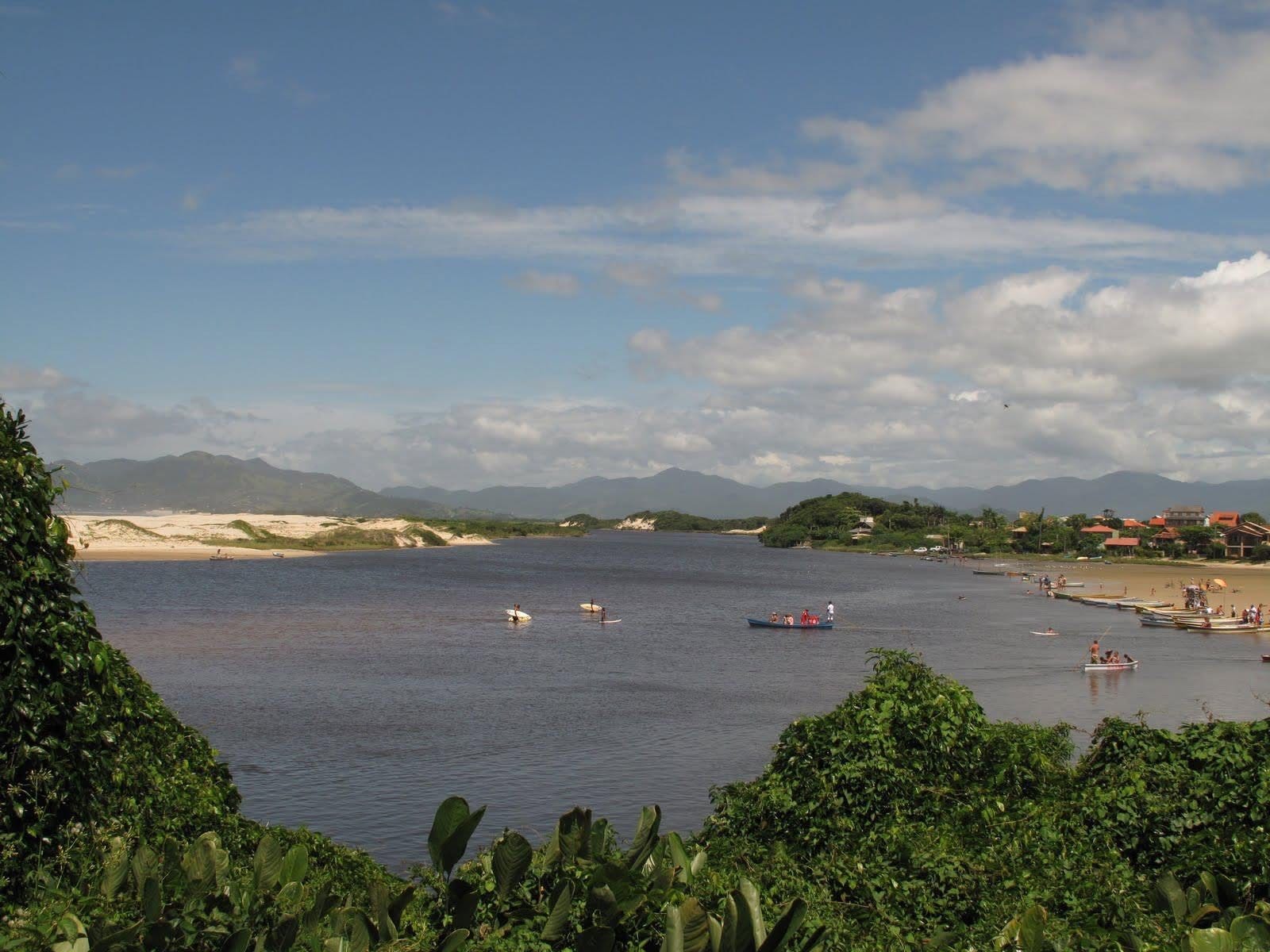
Shortly after that, I sold my car. I packed what little I had and flew to Brazil for a one-month intensive yoga teacher training in Florianopolis. I stayed on for two more months after the training ended, traveling out of a backpack with almost nothing. Ilha Grande. Ilha do Mel. The ocean was part of every plan I made. It was in everything during that season of my life, surrounding every major decision, present at every turning point. I think when you’re that unattached, that stripped down, something like the ocean becomes your one constant. It was there when nothing else was.
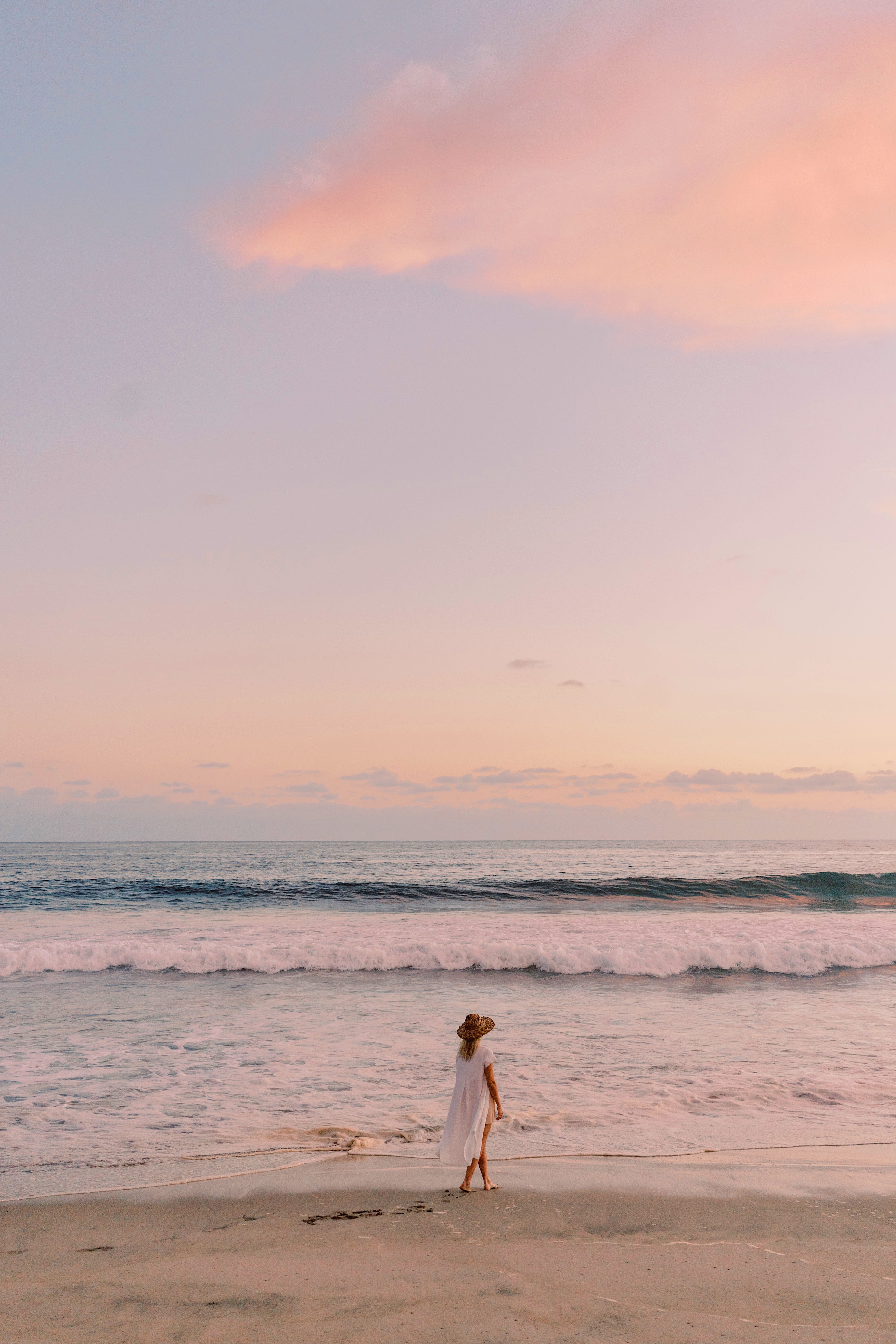
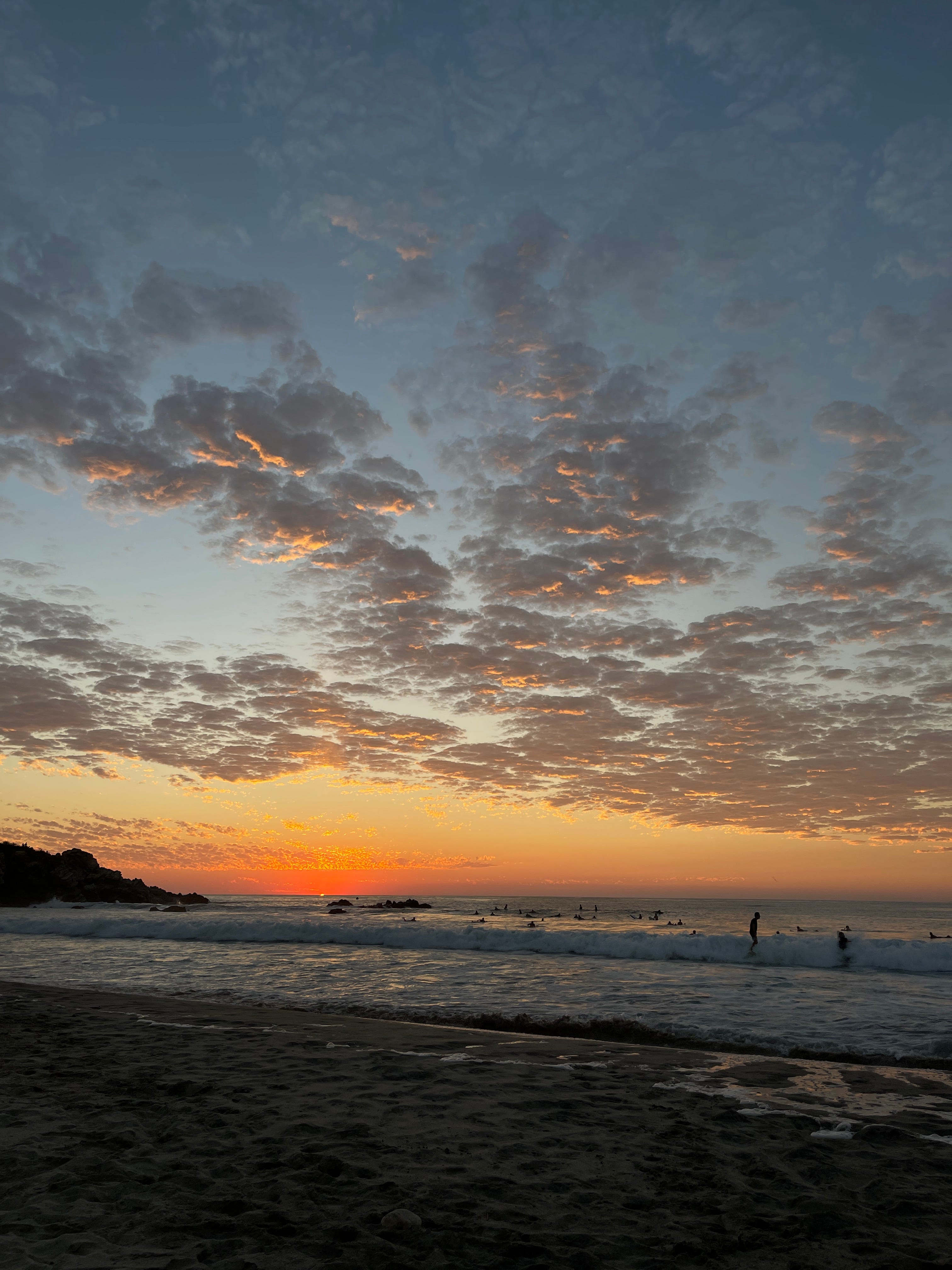
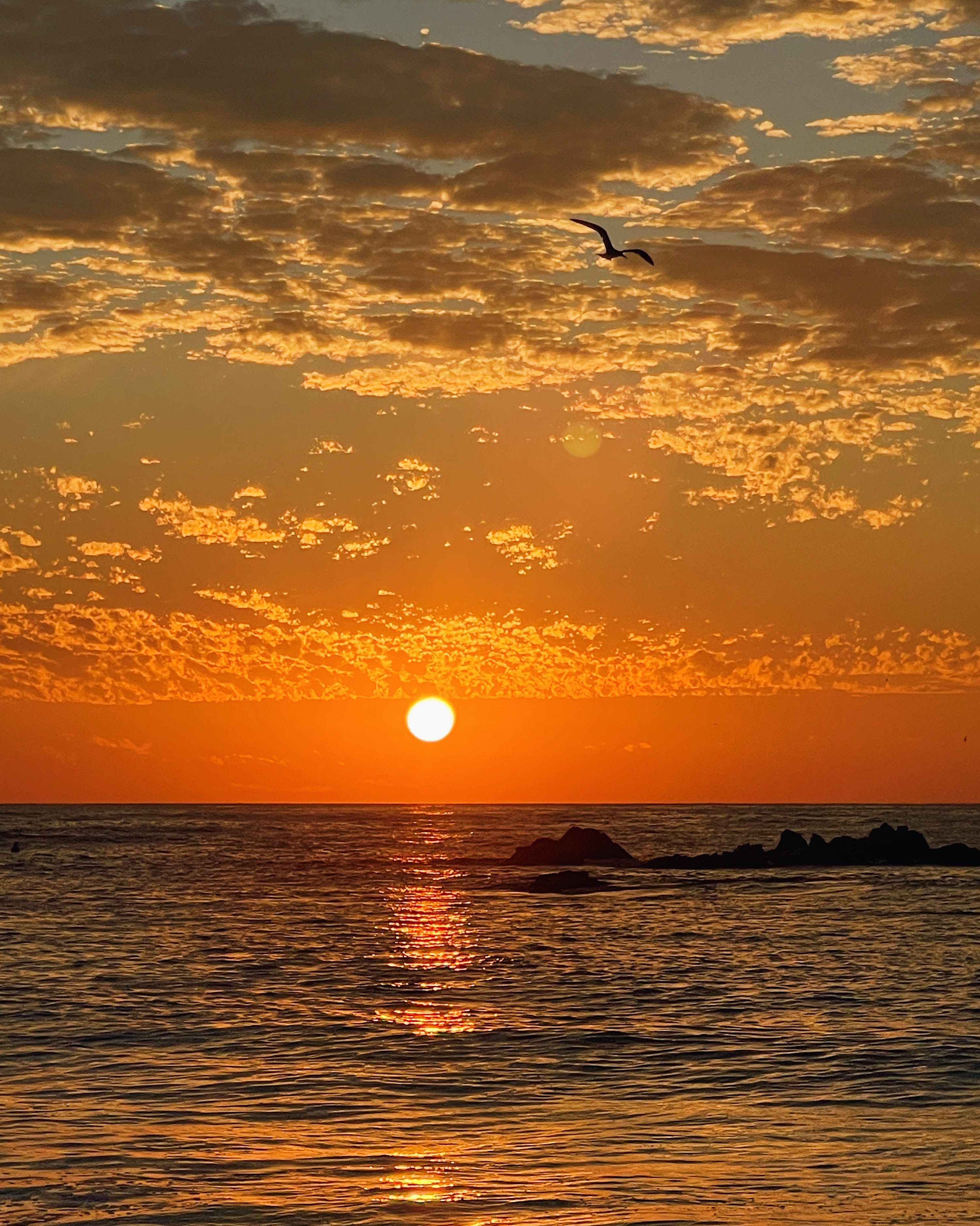
The ocean in Mexico is different again. The sunsets on the Pacific side are something I still can’t quite believe. In La Punta, Puerto Escondido, everyone gathers on the beach at the end of the day to watch the sun go down. It sets directly into the ocean. And the moment it drops below the horizon, everyone on the beach starts clapping.
I don’t know who started it. I don’t know how long standing this tradition is, but it’s been going on for as long as I’ve been visiting, and it gets me every time. A beach full of people, most of them strangers to one another, applauding the sun. Applauding the ocean for holding it. Applauding the day’s end. There is something about that collective pause, that shared recognition that we just witnessed something extraordinary, that makes me feel like maybe we’re all paying attention after all.
I can’t be near the ocean and not get in. It beckons to me in a way that feels deeper than preference. It’s more like a pull and to ignore it would be to deny something fundamental about who I am. I love the salt on my skin. I love the way my hair feels after. I love being taken by a wave, the complete surrender of it, the not knowing which way is up for a second and then finding the surface and breathing.
When I close my eyes and think of the ocean, it’s not an image that comes first. It’s the sound. Waves crashing, pulling back, crashing again. That rhythm that has been repeating since long before any of us were here and will continue long after. I think that’s what steadies me about it. The ocean is the oldest thing I know. And when I’m near it, I know I’m in touch with something divine.
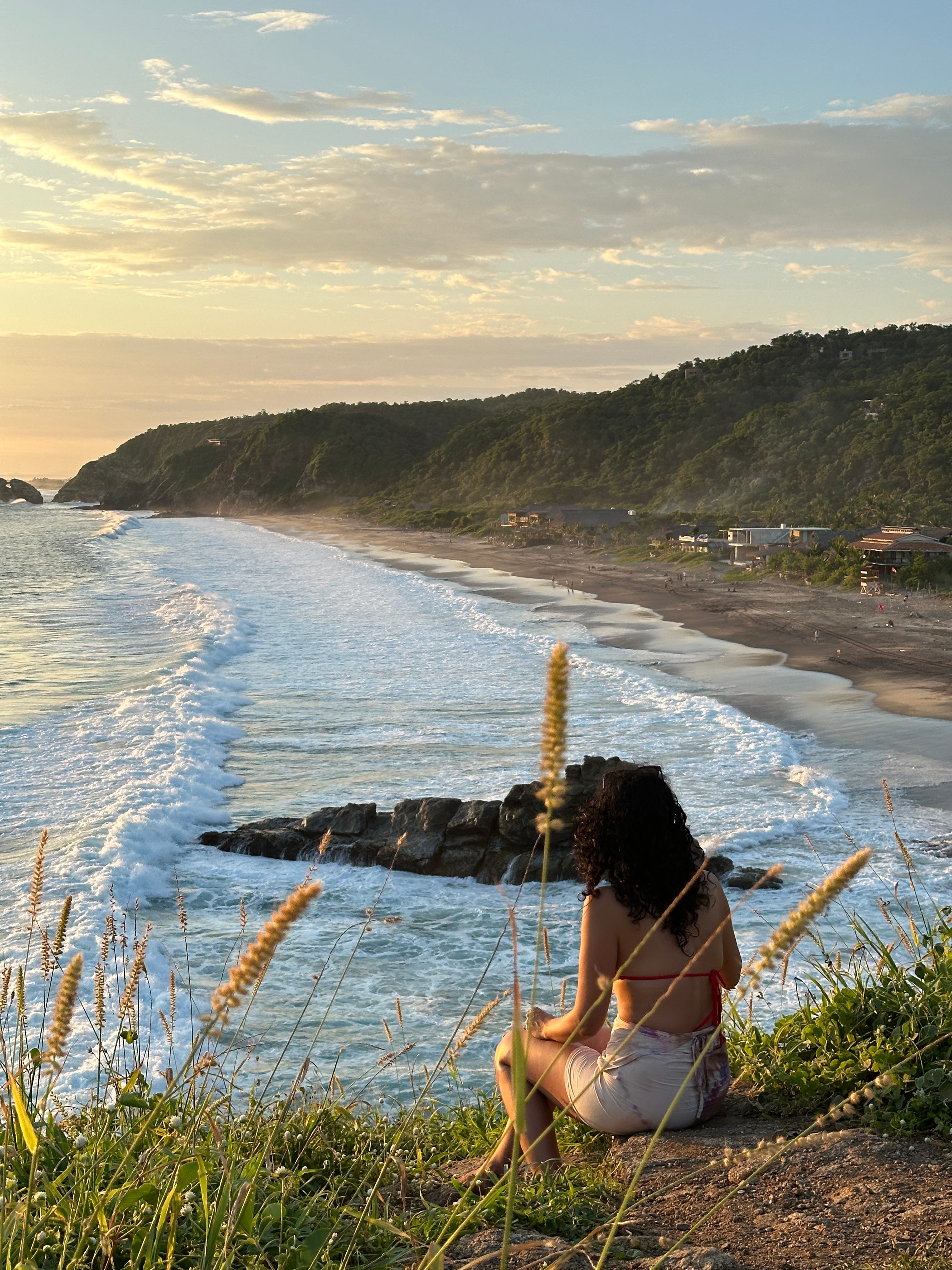
Mary Oliver wrote a poem called Wild Geese that I come back to again and again. It’s about belonging, about the natural world’s invitation to simply be who you are. I think of it often when I’m standing at the edge of the water. The ocean doesn’t ask you to be anything. It doesn’t ask you to be better or calmer or more productive or more healed. It just asks you to stand there. To witness. And that is enough.
Prompts for your own still life:
1. Is there a place in nature that brings you back to yourself? Not a vacation spot, but a place that feels like it resets something inside you. Where is it? When did you first discover it?
2. What sound calms you more than any other? Close your eyes and listen for it. Is it something from your childhood?
3. When was the last time you stood in front of something so much bigger than yourself that your problems dissolved, even for a moment? What was it? Can you get back there?
Still Life is a free monthly series on Wu Haus — words, images, and questions for paying attention. If this resonated, I’d love to hear your responses to the prompts in the comments.
I couldn't agree more! Beautifully said.
Great reflection and thoughtful prompts. I enjoyed the non-fiction book “Blue Mind” on the science behind water’s calming and connective abilities.